Internal vs External Frame Backpacks: Stop Shoulder Pain
By Aisha Al-Rashid • 7th Oct
If shoulder strain ruins your hikes before you reach the trailhead, choosing between internal vs external frame backpacks could be your turning point. As a community hike leader, I've seen how the right large hiking pack transforms pain into pure trail joy (especially for bodies underserved by generic "one-size" marketing). You deserve to carry your adventure without ache. Today, we'll cut through frame confusion with simple, practical comparisons so you can walk miles with confidence.
Why Frame Type Matters for Comfort
Frames aren't just metal or carbon rods. They're your load's foundation, determining how weight shifts on scrambles, how sweat builds in humidity, and whether your shoulders bear the brunt. Many beginners blame their "weakness" for shoulder pain, but it's often a frame mismatch. Let's demystify the two main types:
Internal Frame Backpacks: Sleek, Snug, and Stable
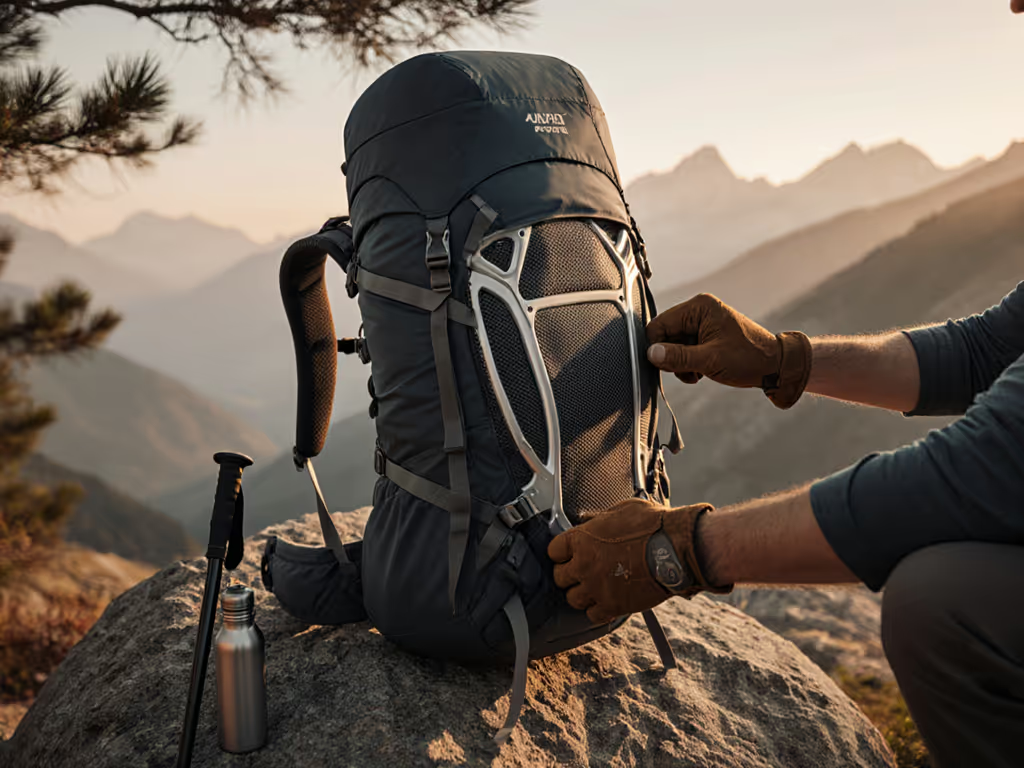
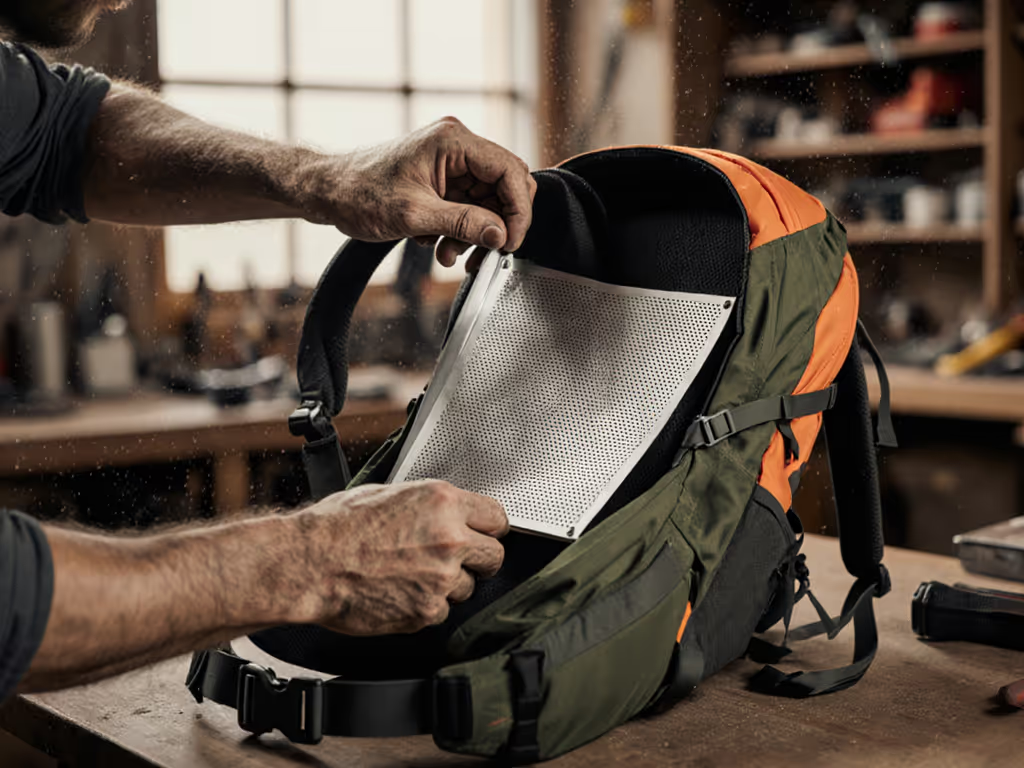
- How they work: A curved, flexible frame (often carbon or aluminum) molds inside the pack against your spine. Think Osprey's AntiGravity suspension, lightweight yet engineered to hug your torso's natural curves. This design keeps your center of gravity close to your body.
- Pros for comfort: Less shoulder strain on uneven terrain (scrambles, side-hills) because the pack moves with you. Contoured harnesses adjust easily for petite torsos or fuller chests. Compact size fits overhead bins or cramped car trunks.
- Cons to note: Can feel sweaty in humid climates as the pack sits flush against your back. Load stability dips past 35 lbs without careful packing, so water-heavy loads or camera gear need strategic placement.
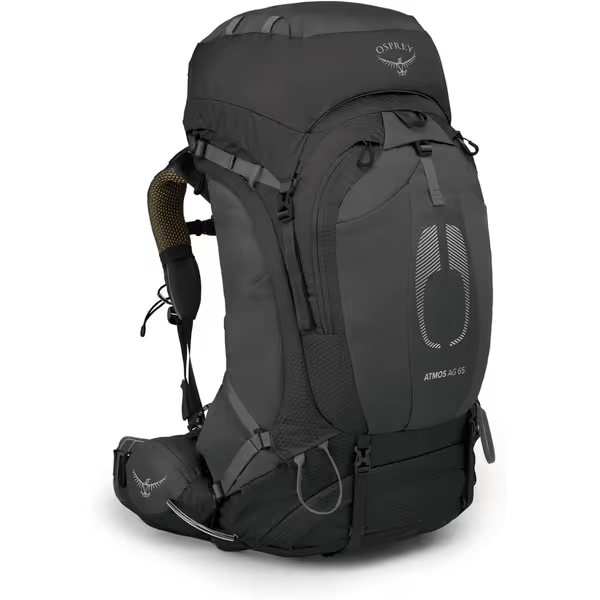
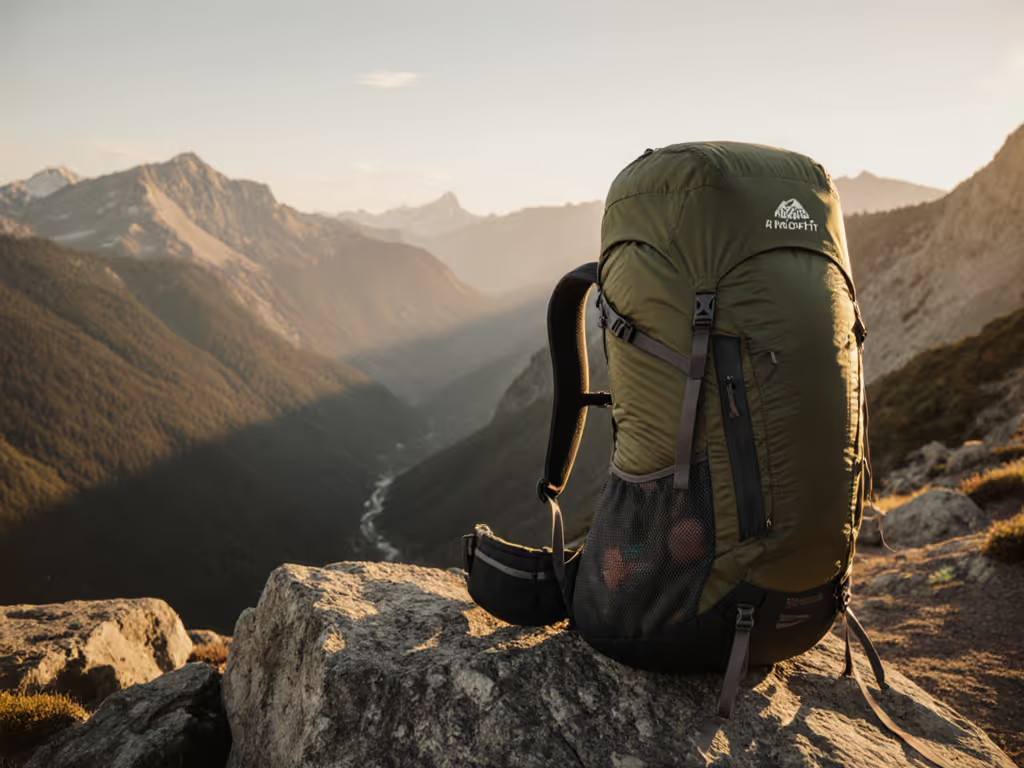
Osprey Atmos AG 65L Men's Backpack
Pain-free carry for multi-day trips with fine-tuned, dynamic fit.
$339.8
Capacity65L
Capacity65L
Pros
Anti-Gravity suspension provides exceptional comfort, even with heavy loads.
"Fit-on-the-Fly" harness and hipbelt allow precise, on-trail adjustments.
Integrated raincover and diverse access points enhance usability.
Cons
At 4.61 lbs, it's not the lightest option for ounce-counters.
Large side zip access can make internal organization tricky for some.
Customers find this backpack comfortable and well-constructed, with excellent weight distribution that makes it feel surprisingly light on the back. They appreciate its ample storage capacity with thoughtful organization features and external water bottle pockets, while also praising its fit and adjustability. The backpack performs well for various activities, with one customer noting its suitability for multi-day trips.
Customers find this backpack comfortable and well-constructed, with excellent weight distribution that makes it feel surprisingly light on the back. They appreciate its ample storage capacity with thoughtful organization features and external water bottle pockets, while also praising its fit and adjustability. The backpack performs well for various activities, with one customer noting its suitability for multi-day trips.
External Frame Backpacks: Breathable, Rigid, and Forgiving
- How they work: A visible frame (traditionally metal, now often titanium) creates space between you and the pack. The load rides higher, transferring weight to your hips and legs like a seesaw.
- Pros for comfort: Unbeatable airflow for hot or sweaty backs (ideal for desert hikes or humid forests). Handles heavy loads (40+ lbs) effortlessly; that metal frame bears the pressure, not your shoulders. Easy to lash gear (sleeping pads, poles) without compromising access.
- Cons to note: Bulkier profile fights overhead bins or narrow trails. Less stable on steep scrambles since the pack sways slightly independent of your body. Adjustments are often limited to torso height ranges, not nuanced body shapes.
Pros and Cons Frame Types: What Truly Impacts Your Shoulders
Forget "which is best." Ask: "Which frame respects my body and adventure?" Here is how frame pros and cons translate to real trail comfort:
comfort first isn't just a phrase, it's your permission to prioritize function over fashion. When weight shifts off your shoulders and onto your hips, those aches fade like morning mist.
| Key Factor | Internal Frame | External Frame |
|---|---|---|
| Shoulder Pressure | Low if load is balanced and harness fits | Very low (frame lifts load off shoulders) |
| Ventilation | Moderate (mesh panels help) | Excellent (space between back/pack) |
| Load Stability | High on technical terrain | Better for steady trail walking |
| Weight Limit | Best under 35 lbs | Handles 40+ lbs comfortably |
| Body Diversity | Adjustable straps fit varied torsos | Less adaptable to curves/heights |
When to Use External Frame for Relief
Reach for backpacks with external frames if:
✔️ You regularly carry water-heavy loads (5+ liters) or gear >35 lbs, because frames bear the crush, so your traps don't.
✔️ You hike in sweltering heat, since that air gap prevents sweat-soaked shirts.
✔️ You need to strap bulky items (foam pads, tripods) without digging into pack access.
When Internal Frames Shine
Choose internal frames for:
✔️ Technical trails (scrambling or alpine zones), where a good frame within its weight limit stays glued to your movements.
✔️ Petite or curvy torsos, because modern harnesses let you fine-tune hip-belt height and shoulder straps.
✔️ Multi-day trips under 35 lbs, as packs like the Osprey Atmos AG 65 prove comfort and stability aren't mutually exclusive.
Your Comfort Checklist: Picking the Right Frame
Don't guess, test with this field-ready approach:
- Measure your torso over hiking layers (not height). External frames often suit longer torsos, and internal frames excel for shorter ones.
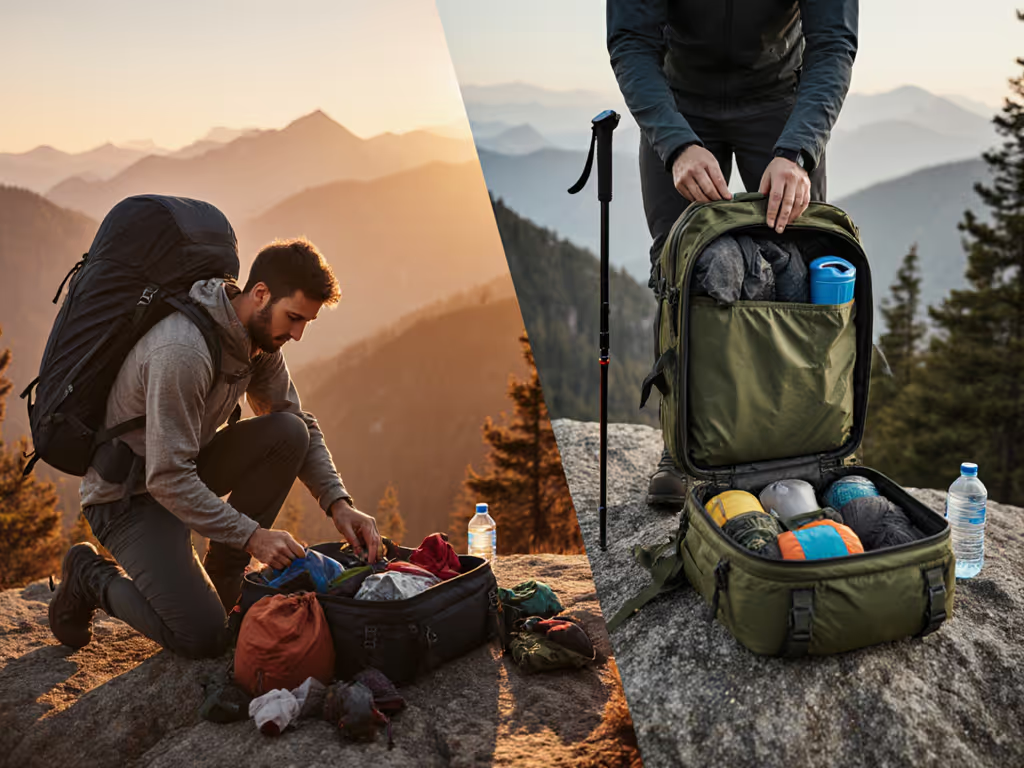
- Load it realistically: Stuff with 25-35 lbs (water jugs = great dummies!). Walk stairs and squat. Do straps dig or shift?
- Tweak before trekking: Snug the hip-belt above your pelvic bones. Lift load lifters until you feel weight transfer to hips. This is where shoulder pain vanishes.
Remember that first overnight I led? The nervous hiker apologized for being slow. We paused, lifted their load a hair off the shoulders, rebalanced water, and laced the hip-belt snug. Ten minutes later, they were chatting about birds. Start with comfort; confidence makes the miles easier. That moment guides everything I teach.
Final Thought: Your Trail, Your Terms
Internal vs external frame backpacks aren't about trends, they are about your body's wisdom. If shoulder pain haunts your hikes, you owe it to yourself to explore both. Try rental gear, visit inclusive shops that measure torsos (not heights), or shadow group hikes where packs get field-tested. Comfort isn't selfish; it's how you protect your joy on the trail.
Already tried both frame types? Share your "aha" moment in the comments. What finally made the weight disappear? Your story might help someone else find their stride. Happy trails, friends.
Related Articles