7 Science-Backed Comfort Optimization Strategies for Long Hikes: Maximize Fit, Minimize Fatigue
By Aisha Al-Rashid • 26th Oct
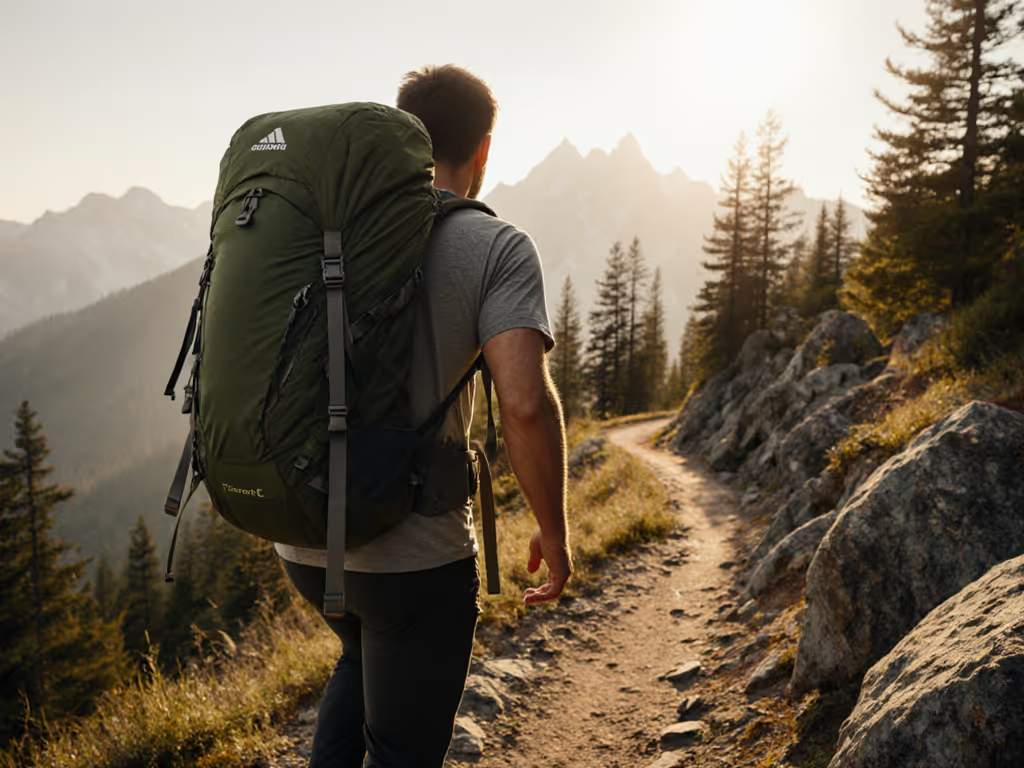
When miles stack up, small discomforts snowball into big problems. That is why comfort optimization for long hikes is not a luxury; it is a system you can design and manage. Across biomechanics labs and well-traveled trails, the same patterns repeat: better fit means steadier gait, lower energy cost, and fewer hot spots. In plain terms, your backpack and movement strategy can either work with your body or fight it every step. In this guide, you will learn seven research-informed strategies that reduce strain and increase stability, plus practical tools to personalize your pack. Along the way, we will show where Hiking Pack Fit’s real-world and lab-backed reviews, fit guides and comparative analyses can accelerate your progress.
Why Fit Beats Weight: The Science of Load and Fatigue
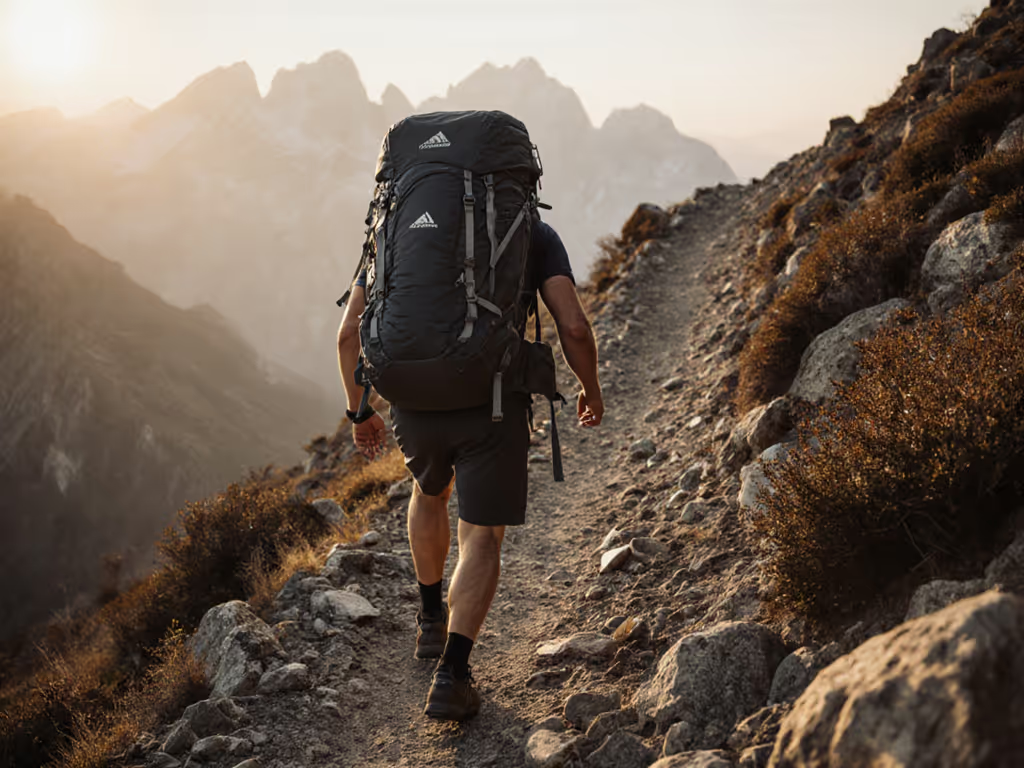
Weight matters, but where you carry it matters more. Biomechanics research shows that shifting most pack load to the pelvis reduces shoulder compression and nerve irritation while stabilizing your center of mass. A well-fitted hipbelt and dialed torso length allow your skeleton to bear load so your muscles can focus on propulsion and balance. On uneven terrain, better load transfer also reduces lateral sway, which is linked to ankle rolls and knee stress. Moreover, intelligent packing that keeps dense items close to your spine reduces torque, so each foot strike lands truer. Hikers often gauge this by a lower RPE (rating of perceived exertion) and more consistent GPS (Global Positioning System) pace over rolling ground. Poles can compound the benefit, offloading some downhill forces and improving rhythm. Combined, these gains add up: steadier steps prevent micro-slips that waste energy, clear shoulders allow normal arm swing for balance, and a quiet pack reduces chafing. Ultimately, fit is leverage. When you get it right, you unlock free efficiency without buying ultralight everything or cutting essential safety items, which is exactly where thoughtful guidance from Hiking Pack Fit pays off for hikers of all ages and abilities.
7 Strategies for Comfort Optimization for Long Hikes
1. Nail Torso Length and Hipbelt Placement First
Watch This Helpful Video
To help you better understand comfort optimization for long hikes, we've included this informative video from thruhikers. It provides valuable insights and visual demonstrations that complement the written content.
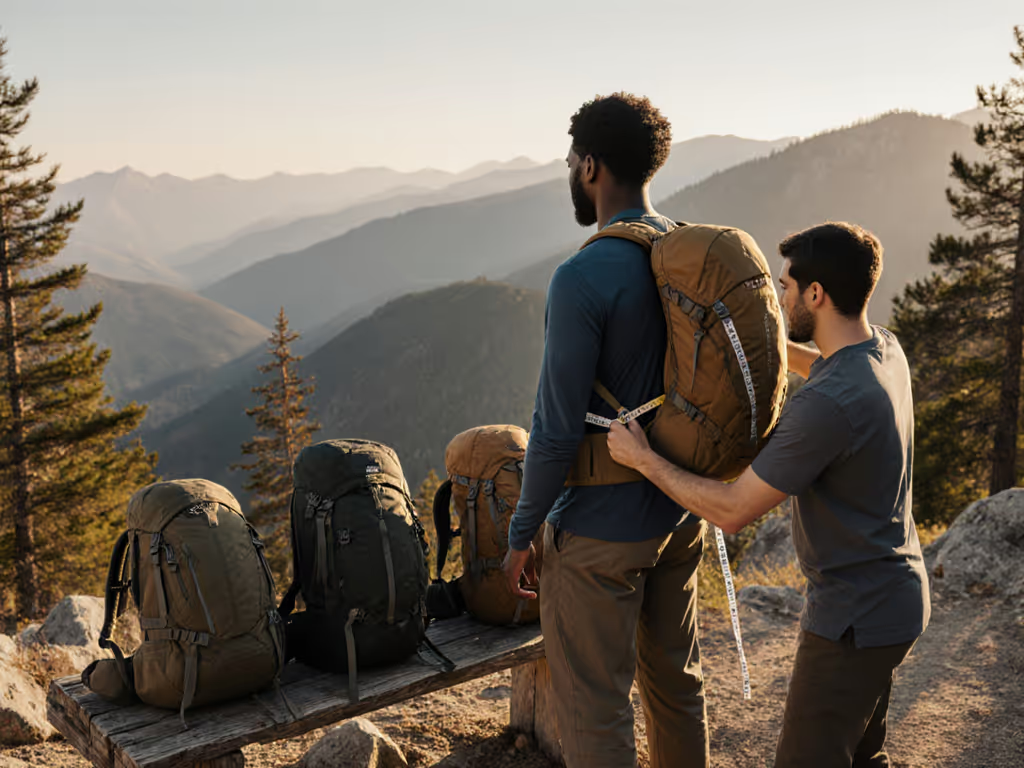
Start where comfort begins: the interface between body and pack. Adjust torso length so shoulder straps contour without gapping, then position the hipbelt so its padding centers over the iliac crest, not the stomach or ribs. Research and field testing suggest that moving 60 to 80 percent of load to the hips reduces shoulder pressure peaks and hand numbness. Aim for load lifters that form roughly a 30 to 45 degree line from strap to pack. Now walk and micro-tune: if your shoulders burn, add hipbelt tension; if your hips feel pinched, ease the belt and take a millimeter of slack on the shoulders. Seniors often benefit from slightly wider, softer hipbelts that disperse pressure over bony landmarks. Hiking Pack Fit’s in-depth reviews and fit guides use measurements and body-shape notes to suggest models and sizes, so you skip the painful guesswork. Remember, perfect fit is not static. Revisit these settings after a few miles as your posture changes and layers shift.
2. Pack the Core, Then the Periphery
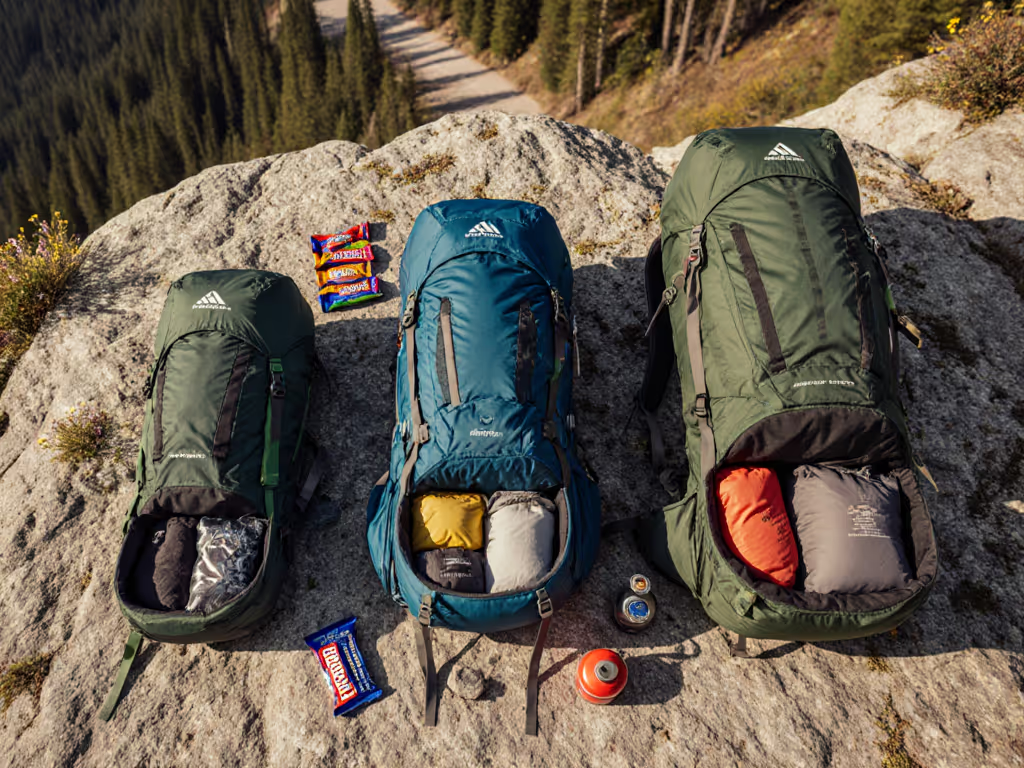
Where items live in your pack influences how your body moves. Treat your backpack like a spine-friendly toolbox. Dense weight such as water, food, and shelter should sit close to your back and slightly above the midline, reducing torque that otherwise tugs you backward. Softer items can fill voids to prevent shifting. Field data show that a pack that does not wobble reduces corrective muscle firing, which you perceive as less fatigue. Activities shape organization too. Photographers keep a padded camera cube near the middle so the lens does not cantilever; anglers position rod tubes along a side where compression straps stabilize them; climbers route rope and hardware so metal sits tight against the frame. Hiking Pack Fit curates specialized pack organization for photo, fishing, and climbing, showing load plans tested on trail. Use a simple rule: if you shake the pack and hear or feel movement, you will spend energy taming it all day. Secure, centered, and quiet is the goal.
3. Build a Footwear–Sock–Insole System That Manages Moisture and Motion
Your feet are the suspension system. Comfort rises when skin stays dry, bones align, and laces distribute pressure evenly. Choose footwear with a stable midsole and a toe box that allows natural splay; pair it with moisture-wicking socks in a wool and synthetic blend, then consider insoles that support your arch without forcing it. Studies repeatedly link friction and moisture to blister risk, especially when downhill braking loads spike. Pre-tape known hotspots before long days, alternate sock pairs at lunch, and loosen laces on flats while retightening before long descents. Seniors and hikers with forefoot pain may prefer rockered soles that reduce toe-off stress. Hiking Pack Fit’s senior-friendly backpack pairing recommendations highlight models that balance cushion with control, and the site’s guides explain how to size for end-of-day swelling. Feet happy, miles easy.
4. Use Dynamic Strap Tuning for Climbs, Flats, and Descents
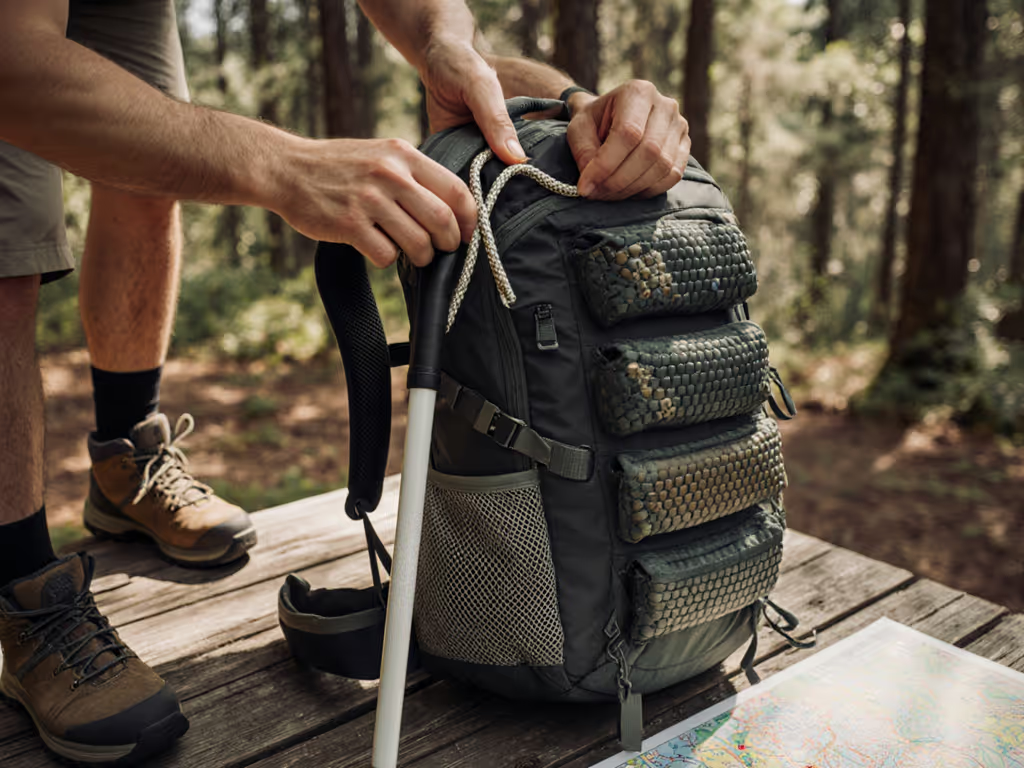
Static setup is a myth. On steep climbs, snug the hipbelt a touch more and relax the shoulders so your glutes and thighs drive the effort. On flats, share the load evenly to maintain posture and arm swing. For long descents, slightly tighten shoulder straps and shorten poles to keep the pack from surging forward, then retune the sternum strap to free breathing. This micro-management may sound fussy, but lab and trail observations show that even small angle and tension changes alter pressure distribution enough to stave off hotspots. Think of it like shifting gears on a bike. Two seconds of adjustment now saves minutes of rest stops later. Hiking Pack Fit’s real-world and lab-backed reviews detail how different harness shapes respond to these tweaks, and the site’s guidance on essential add-ons for improved comfort covers aftermarket sternum sliders, strap keepers, and load-leveling accessories that make on-the-go adjustments easier.
5. Pace, Fuel, and Hydrate to Stabilize Mechanics
Comfort is not just padding; it is physiology. As glycogen depletes and dehydration creeps in, form deteriorates. Shorter stride, heavier footfall, and slumped shoulders appear, each magnifying discomfort. Prevent the slide by pacing conversationally early, eating small and steady amounts of carbohydrate from the first hour, and drinking to thirst while monitoring urine color. For reservoir users, see our hydration pack fit guide to keep water accessible without throwing off balance. Many hikers find that 30 to 60 grams of carbohydrate per hour, plus sodium from snacks or electrolyte drink, maintains smooth gait on long days. Poles can help maintain cadence and reduce knee load on descents, particularly with heavier packs. Use the RPE (rating of perceived exertion) scale rather than chasing speed on your GPS (Global Positioning System); if your breathing turns ragged, back off for five minutes to reset posture. Hiking Pack Fit’s guides include sample pacing plans and snack packing layouts that keep weight efficient without sacrificing energy stability.
6. Protect Skin and Pressure Points With Thoughtful Interfaces
Hot spots telegraph future pain. Treat the shoulder–collarbone, hip–iliac crest, and low-back zones as high-risk interfaces. Smooth edges, breathable fabrics, and consistent padding density reduce shear and pinch. Clothing matters too: a low-friction base layer and a belt that does not bunch beneath the hipbelt can drop perceived pressure dramatically. If your pack’s sternum strap rubs, consider a softer slider or a shaped chest strap; if the hipbelt digs, swap to thicker lumbar pads or add a removable wrap that spreads force. Hiking Pack Fit’s in-depth reviews and gear-care articles explain simple repairs like re-sewing webbing or replacing buckles, and discuss durability considerations that extend comfort and gear life. A stitch now saves a sore spot later.
7. Train the Movement, Not Just the Muscles
Strength is great; movement quality is better. Comfortable hikers move rhythmically, keep hips level, and land softly under their center of mass. You can build this with two short sessions per week: single-leg balance with eyes forward, step-downs emphasizing control, hip hinge work for posterior chain power, and loaded walks where you practice staying tall with a gentle arm swing. Add five-minute mobility snacks for calves, hamstrings, and thoracic spine to keep stride length natural. Then take these patterns to the trail with short “form check” hikes: relaxed jaw, long neck, quiet shoulders, quick feet. As posture improves, your pack contacts the same spots predictably, reducing chafe and mystery aches. Hiking Pack Fit’s reviews frequently include movement cues with pack tests, because a great harness partnered with great form is multiplicative, not additive.
Evidence-Based Gear Choices: What Actually Changes Comfort
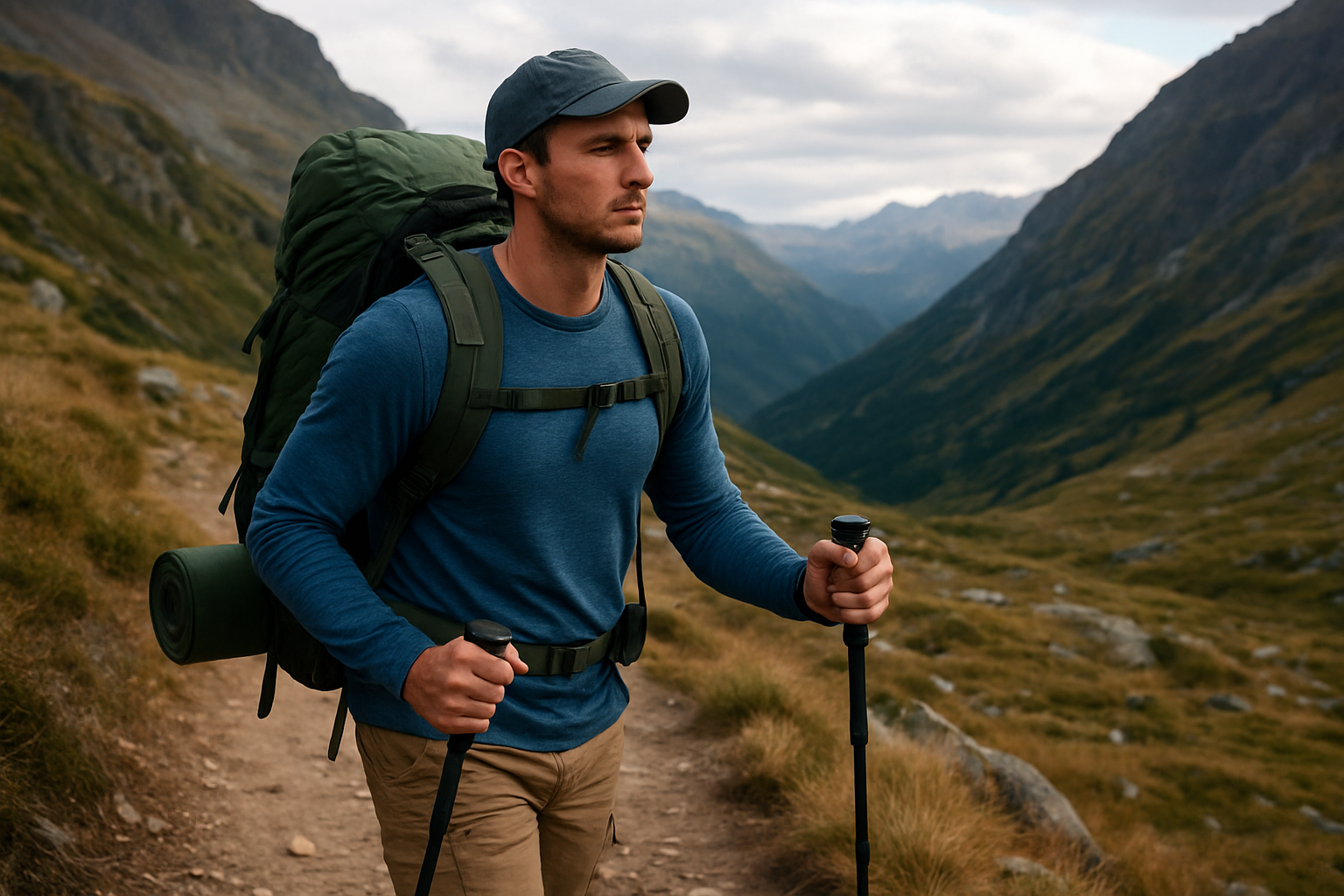
Not every tweak delivers equal return. Focus on changes with measurable impact: hipbelt fit, load placement, and shoulder strap geometry typically move the needle most, while marginal weight savings or exotic fabrics matter less unless conditions are extreme. Testing does not need a lab. Use a simple loop, time it, log your RPE (rating of perceived exertion), and note pressure points before and after a single adjustment. If pace steadies and hotspots fade, keep it. Hiking Pack Fit turns this into a repeatable process with real-world and lab-backed reviews and guides that isolate variables, plus model-by-model notes on adjustability and maintenance. The tables below summarize high-value adjustments, then map activity-specific organization to on-trail benefits so you can apply changes where they count.
| Adjustment | What to Aim For | Why It Matters | Quick Field Test |
|---|---|---|---|
| Torso Length | Shoulder straps contour without gapping; frame size matches back length | Prevents shoulder hotspots and keeps load lifters effective | With light bounce, pack should not lift off shoulders; adjust and re-walk 5 minutes |
| Hipbelt Placement | Padding centered over iliac crest; firm but breathable contact | Transfers 60 to 80 percent of weight to pelvis for stability | Shoulders relax when you tighten belt; hands do not tingle on flats |
| Load Lifters | Approximate 30 to 45 degree angle to pack | Fine-tunes shoulder pressure and keeps load tight to spine | On climbs, two turns tighter should reduce forward lean |
| Sternum Strap | Level with mid-chest; tension just enough to stop strap creep | Centers shoulder straps to prevent collarbone rub | Arm swing free; breathing unimpeded when walking briskly |
| Load Placement | Heavy items high and close; soft items fill voids | Reduces torque and pack sway, improving gait efficiency | Shake test: contents stay quiet and balanced |
| Activity | Key Pack Organization Features | Helpful Add-Ons | Hiking Pack Fit Notes |
|---|---|---|---|
| Photography | Padded camera cube mid-pack; quick-access side zip | Lash points for tripod; lens wrap | Specialized pack organization for photo keeps optics centered to avoid sway |
| Fishing | Rod tube secured along side; wet storage segregated | Water-resistant pouches; tool sheath | Balance rod tube with water weight; use compression straps to lock position |
| Climbing | Rope carry on top; hardware near frame | Helmet cradle; reinforced haul points | Metal close to back maintains center of mass and reduces shoulder torque |
| Seniors | Soft, wide belts; easy pull adjusters; lighter frame | Shoulder strap cushions; hip pads | Senior-friendly backpack recommendations focus on low-force adjustments |
Case Studies, Metrics, and a Simple Field Protocol
Consider two real-world scenarios from Hiking Pack Fit’s reviews. A landscape photographer carrying 35 pounds re-centered a camera cube, shifted tripod placement, and tightened load lifters by two turns. Average pace over rolling terrain rose by roughly five percent with lower RPE (rating of perceived exertion), and shoulder redness disappeared. A senior hiker swapped to a pack with a softer, wider hipbelt and reduced sternum strap tension. Hip comfort improved, stride length normalized, and post-hike back soreness was notably lower. To capture your own gains, try this protocol: pick a one-hour loop with mixed grade, note pack setup, then walk at a steady conversational pace while logging RPE every 15 minutes and quick checks for pressure points. Change one variable, repeat within a week on similar weather, and compare. You will learn fast, and Hiking Pack Fit’s comparative analyses and fit guides help you choose the right pack when change requires new hardware rather than more tinkering.
Prepare to Personalize: Turning Insights Into On-Trail Comfort
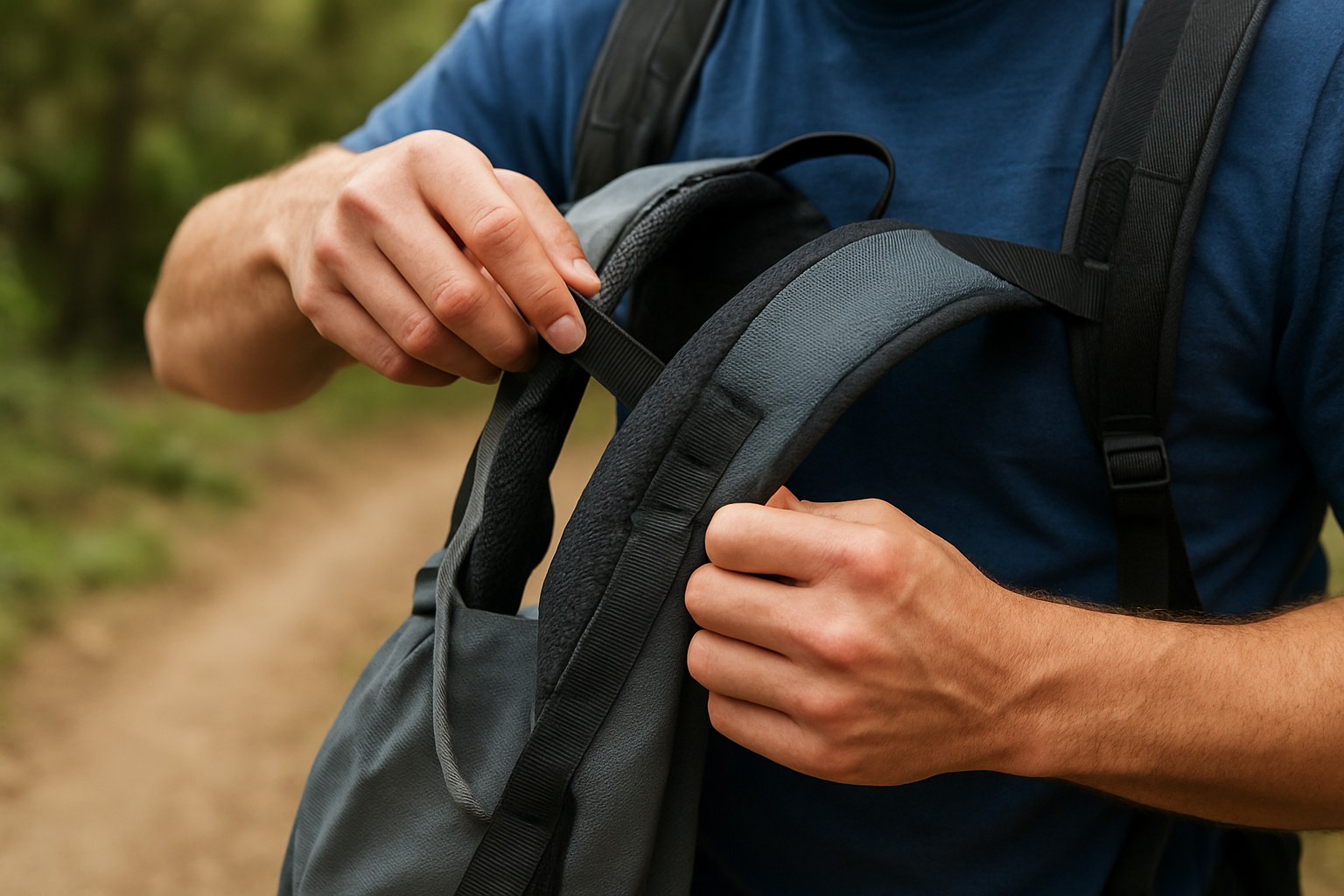
Information becomes comfort when you turn it into habits. Before you leave the trailhead, confirm torso and hipbelt fit, press test for pack sway, and preview where snacks, water, and layers live. During the hike, schedule two-minute tune-ups at mile two and at the top of your first climb. Ask yourself: Are my shoulders relaxed? Do I feel any rubbing? Does my pace match my breathing? Back at the car, jot three notes: one win, one irritation, and one change to try next time. This tiny loop builds a personalized system in days, not seasons. With Hiking Pack Fit’s in-depth reviews, guidance on essential add-ons for improved comfort, and real-world and lab-backed guides, you never have to start from scratch. You get tested advice, comparative analyses, and fit guides that respect your body, your goals, and your activities.
Trail-Ready Finish
Fit, smart packing, and movement choices multiply to turn hard miles into smoother ones. Imagine your next long day feeling stable, quiet, and focused on views rather than hot spots and strap fidgeting. What would change if every step kept building confidence instead of wearing it down?
In the next 12 months, you can assemble a pack-and-movement system tailored to your body, your routes, and your passions, guided by data and real-world tests. Which strategy will you try first to jump-start your comfort optimization for long hikes?
Additional Resources
Explore these authoritative resources to dive deeper into comfort optimization for long hikes.
- How do you physically prepare for long hikes ? : r/Ultralight - Reddit
- Smooth Operator: How to Maximize Backpacking Efficiency with ...
Match Your Perfect Pack with Hiking Pack Fit
Real-world tested, lab-backed guidance, comparative analyses, and fit guides help hikers of all ages, including photographers, anglers, climbers, and seniors, match packs to body and activity for better comfort.
Related Articles