Backpacking with Large Dogs: Complete Safety Guide
By Aisha Al-Rashid • 19th Mar
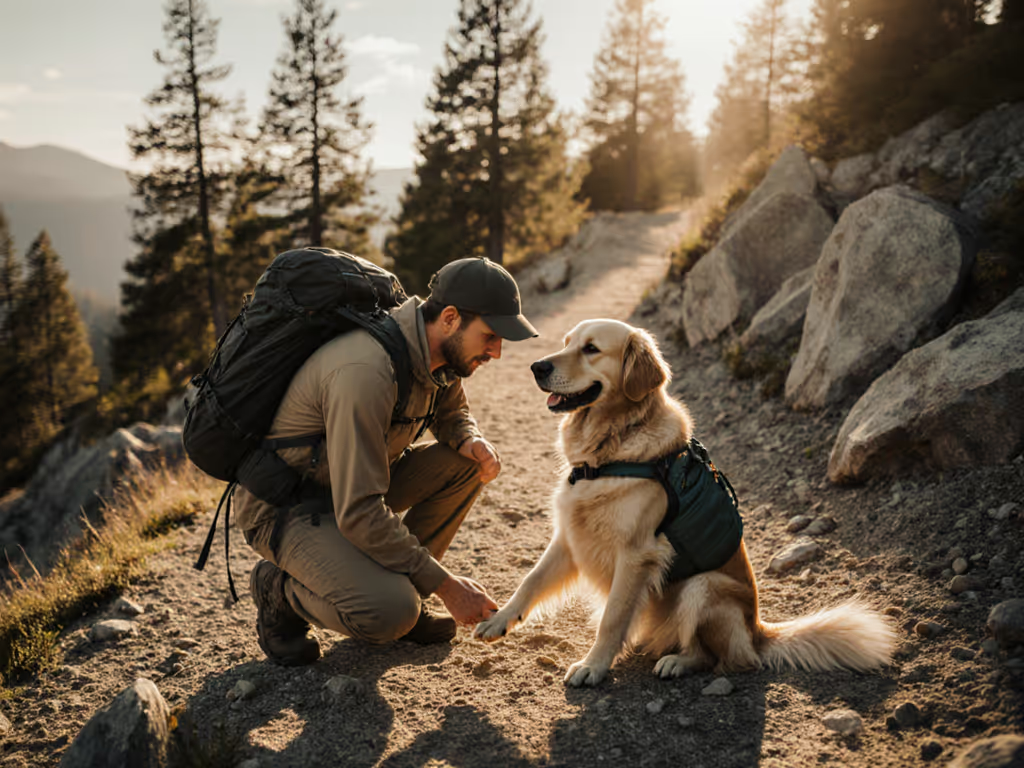
Large dogs bring joy, companionship, and often surprising strength to the trail. But backpacking with large dogs demands a different approach than a casual neighborhood walk. The good news: with simple, clear preparation, your big companion can become an excellent trail partner. Start with comfort; confidence makes the miles easier. This guide walks you through the essential checks and steps to keep your dog safe, happy, and genuinely ready for overnight trips in the backcountry.
1. Consult Your Veterinarian Before Your First Trip
Before any backpacking plan takes shape, schedule a conversation with your vet. Your vet knows your dog's skeletal and cardiovascular baseline in ways no guide can.[1] Ask these specific questions:[1]
- Is my dog physically capable of carrying additional weight?
- Does my dog have any health conditions that might be made worse by wearing a pack?
- Is my dog the right age for backpack training?
- Is my dog's breed prone to structural problems that could be triggered by pack work?
- Is my dog's size suitable for carrying a load?
Large breeds, especially giant breeds like Great Danes, Saint Bernards, and German Shepherds, often face higher risks of hip dysplasia, osteochondrosis, and other skeletal issues.[1] Knowing your dog's specific risks before the trail means you can adapt your plan with confidence, one change at a time.
2. Build Your Dog's Fitness Over Weeks, Not Days
Large dogs, like all athletes, need conditioning. If your dog has been mostly a couch companion, several short walks around the neighborhood won't prepare strong muscles and joints for 8-10 miles on uneven terrain.[2] Start with modest, regular outings on local trails (nothing extreme, just consistent exposure). Increase distance and difficulty gradually. Watch for heavy panting, slowing pace, or signs of discomfort; those are your signals to dial back and rest.[2]
A well-conditioned large dog can carry 15-18% of their body weight over long distances.[1] A dog new to pack work should start with 10% or less.[1] A 70-pound dog at 10% carries only 7 pounds (light, forgiving, and the perfect starting point to build confidence).
3. Choose a Hiking Dog Pack That Fits Properly
A poorly fitted pack is worse than no pack at all. It slides, pinches, and teaches your dog to dislike the whole experience. A good hiking dog pack distributes weight evenly across the shoulders and hips, mimicking how a well-fitted backpack works for humans.[1] Look for packs with adjustable straps so you can fine-tune the fit as your dog grows or as you adjust what they carry.
Start with an empty pack. Let your dog wear it for short, happy outings (just 10-15 minutes around home) so they learn it's normal and not threatening. Reward calm behavior. Once they're indifferent to wearing it, you can add light weight. This one-step-at-a-time approach prevents anxiety and teaches your dog that the pack is a neutral, even positive, tool.
4. Master Large Dog Trail Safety by Managing Weight Load
The cardinal rule: dogs aren't naturally designed to carry significant extra weight over long distances, even with proper training.[1] Respect that limit. For an experienced hiking dog in excellent condition, the ceiling is 15-18% of body weight; for a novice or older dog, stay at 10% or below.[1] On a 70-pound working breed, that's 7 to 12.6 pounds maximum. That pack carries water, lightweight snacks for the dog, a poop shovel, and maybe a foam pad for sleeping (all manageable and protective of your dog's long-term health). If you need to shift more of your dog's gear to your own pack, review your backpack weight limits to avoid overloading your frame.
Balance the load evenly in the saddlebags so neither side dips lower than the other.[1] Check the pack before and after every stop. If your dog is limping, lagging badly, or refusing to move, remove the pack and rest. There's no prize for pushing through.
5. Scout Your Route and Prepare for Large Dog Trail Considerations
Not all terrain suits every dog. Before you commit to a trail, research:[1]
- Wildlife hazards (predators, venomous creatures)
- Weather conditions (extreme heat, cold, ice)
- Parasites (ticks, mosquitoes)
- Local regulations for dogs (some parks restrict dogs; some require leashes)
- Hunting seasons and restrictions
- Terrain challenges (scrambles, water crossings, boulder fields)
Large dogs overheat more easily than small dogs, especially on sunny, exposed terrain.[2] Choose trails with shade, water access, and gentle grades for your first trip. A smaller, gentler route where your dog thrives teaches you both far more than a prestigious but grueling hike. For a deeper look at dog-friendly pack features, see our complete guide.
6. Pack Dog Food and Water Strategically
Your dog will burn calories quickly on the trail, so bring enough fuel. Most dogs need more food on a backpacking trip than on a casual day hike. However, never feed your dog a full meal and then immediately start hiking (this can trigger serious gastrointestinal emergencies, particularly in large, deep-chested breeds).[3] Instead, offer small meals or snacks before the hike, and save the larger meal for evening camp.
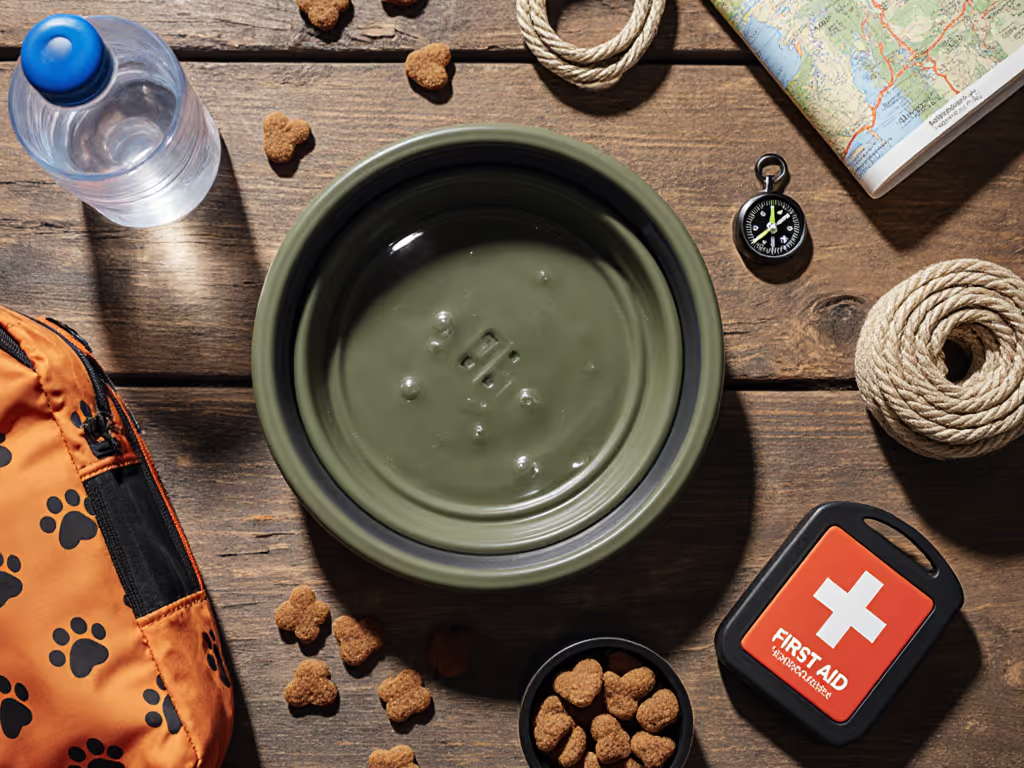
Water is equally critical. Bring a collapsible bowl and check in frequently, especially on hot days. If your dog seems sluggish, is panting heavily, or slowing down, find a shaded spot, offer water, and rest until they recover.[2] Dehydration in a large dog can escalate quickly.
7. Protect Paws and Check Them Regularly
Trail terrain is harsh. Rocky, rough, or even just unfamiliar ground wears on paw pads quickly. If you're hiking on rocky or sharp terrain, consider dog boots (and introduce them at home with positive reinforcement so your dog is comfortable wearing them on the trail).[4] At minimum, check your dog's paws at every rest break and at the end of the day, looking for cuts, cracks, punctures, or raw spots.[2] Catching an issue early prevents infection and keeps your dog moving safely.
8. Manage Heat and Watch for Overheating
Large dogs, especially those with dark coats or double coats, struggle in heat. On warm days, hike early or late and stay in shade when possible. Watch your dog closely: if they're panting heavily, slowing down, or looking uncomfortable, stop immediately and cool them off.[2] Move to shade, offer water, and let them rest. It's far better to arrive at camp late than to push through and risk heat exhaustion.
9. Plan Water Safety and Keep Your Dog Dry
Don't let your dog swim while wearing a loaded pack. A waterlogged pack adds significant weight, and your dog could struggle or sink.[1] Remove the pack before any water entry. If a stream crossing is unavoidable, remove the pack before the crossing and reassemble it on the far side. Shake or towel-dry your dog's coat to reduce chilling, especially if evening is approaching. To keep essential gear dry during crossings or storms, use these backpack waterproofing techniques.
10. Practice Dog Supply Weight Distribution and Learn Basic First Aid
Everything your dog carries, including water, food, a poop shovel, and a first-aid kit, must be balanced left to right in the pack's saddlebags.[1] If you end up carrying more of that load, follow our pack weight distribution pro tips to stay comfortable. Uneven loads cause strain and instability. Before any trip, learn basic canine first aid so you can handle minor injuries, insect bites, or paw issues in the field. Carry a small first-aid kit: tweezers (for splinters or ticks), antibiotic ointment, a small bandage or wrap, and any medications your vet recommends.
11. Follow Leave No Trace Principles for Your Dog
Your dog's waste belongs in the backcountry just as your waste does. Bury poop in a cathole 6-8 inches deep and at least 200 feet from trails, camps, and water.[2][5] If your dog goes too close to a stream or camp, use your poop shovel to move and bury it properly.[2] Alternatively, carry poop bags and pack it out with your own waste.[4] This practice protects water sources, keeps camp clean, and respects other hikers and wildlife.
12. Ensure Your Dog Is Comfortable at Night
A tired dog sleeps better, but comfort matters. Pack a lightweight closed-cell foam pad just for your dog.[2] It provides insulation from cold ground and a familiar, designated sleeping space. A dog that feels secure in their own spot settles faster and sleeps deeper, which means a more restful night for everyone.
Make sure your tent is spacious enough for you and your dog without crowding.[6] A comfortable dog is a happy dog, and a happy dog makes the whole trip easier.
13. Adjust Your Pace and Take Frequent Breaks
Your dog's pace is not your pace. Large dogs working hard tire before humans do. Stop frequently (every 30-45 minutes on the first day) to let your dog rest, drink, and cool down.[2] Watch their gait and energy level. If your dog is constantly sitting during breaks or moving slowly, that's a signal to shorten your day, lighten their load, or turn back if needed.[2] There's no shame in a short, happy trip; there's real risk in pushing a struggling dog.
14. Monitor Obedience and Trail Etiquette
A large dog on the trail must listen reliably. Before backpacking, brush up on obedience (recall, stay, and calm behavior around other people and animals are non-negotiable).[5] When other hikers approach, step off the trail, keep your dog at a safe distance, and maintain control.[5] Even a friendly large dog can frighten others, and a spooked dog can injure itself or cause conflict.
A leash isn't just about control; it's about respect for shared space and wildlife. Keep your dog leashed unless you're in a designated off-leash area and your dog reliably returns to you.
15. Remember: One Change at a Time
Backpacking with a large dog is learnable. You don't need to solve every variable at once. Pick one new element per trip: maybe this time you focus on pack fit, next time on water management, the time after on a longer distance. Each small success builds confidence (in you and in your dog). Your dog will thrive with a patient, thoughtful leader who values their comfort and safety over ambitious mileage.
Further Exploration
Your next step is a conversation with your vet and a short test hike on a familiar, low-pressure trail. Bring the empty pack, let your dog adjust to wearing it, and notice how they move, breathe, and respond. That single outing will teach you more than any guide. Then, one change at a time, add weight, distance, and complexity. Your large dog has the capacity to be an excellent trail companion, and with these foundations in place, you both will discover that backpacking together builds bonds and memories that last long after the trip ends.
Related Articles