Backpacking with Large Dogs: Safe Gear & Trail Tips
By Aisha Al-Rashid • 19th Jan
Backpacking with large dogs transforms trails into shared adventures, but it requires thoughtful preparation that goes beyond your own gear checklist. When you're considering a hiking dog pack for your big companion, remember that backpacking with large dogs demands attention to their unique physical needs and trail presence. Simple, clear choices protect your joy together (hiking time is too precious for preventable friction). In this guide, we'll walk through practical steps to make your next adventure safe and enjoyable for both of you.
Understanding Your Large Dog's Trail Considerations
Large dogs bring wonderful energy to the trail, but also specific large dog trail considerations that require thoughtful preparation. Unlike smaller breeds, they often carry more stamina, but need more careful attention to joint health on steep descents and heat management in warmer conditions. Quick, consistent access to water helps manage heat—our hydration pack fit guide shows how to set up reservoirs that work on the move. Don't assume your gentle giant is ready for miles right away (many large breeds mature slowly, and pushing too hard too soon can lead to long-term issues).
Here's a simple readiness check before your first overnight:
- Has your dog completed at least three consecutive 5+ mile day hikes with you?
- Can they follow basic commands consistently on trail ("leave it," "wait," "come")?
- Have you tested their reaction to gear like a dog pack and booties in your backyard?
- Do they stay calm around other hikers and dogs without excessive pulling?
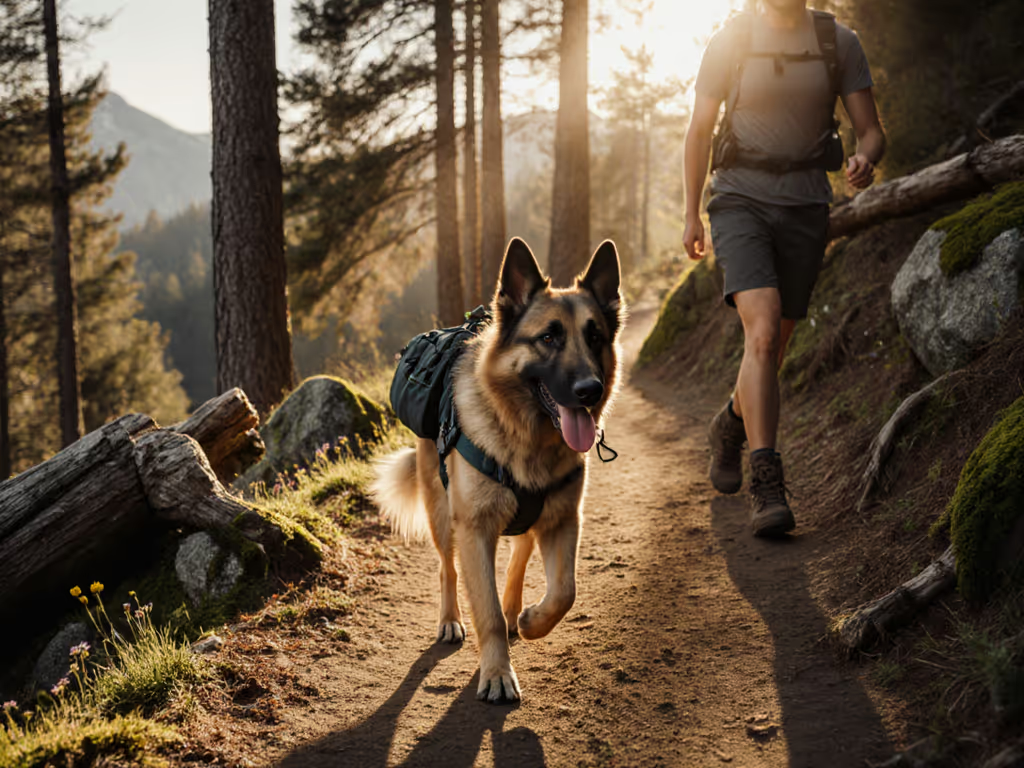
Keeping training treats, waste bags, and a clicker instantly accessible is easier with smart hip belt pocket organization. I remember a confident-looking German Shepherd who started out strong on a first overnight but grew increasingly anxious as the sun set. We paused, adjusted his pack higher off his hips, and walked quietly together for just 20 minutes. His breathing slowed, his tail rose, and suddenly he was investigating interesting smells with happy curiosity. That moment reminds me daily that confidence comes from comfort, not expectations.
Building Your Canine Backpacking System
The right hiking dog pack makes all the difference for backpacking with large dogs, especially when you consider dog supply weight distribution. While small dogs often just need a collar pack, large dogs can comfortably carry 15-25% of their body weight when properly fitted, but that number means nothing without proper balance.
Rather than focusing on maximum weight, prioritize these elements:
- Center of gravity: Loads should sit evenly across the dog's back, not dragging behind or tipping forward
- Freedom of movement: Properly fitted packs shouldn't restrict shoulder motion or breathing
- Weight placement: Heavier items (like food) go forward, water in the middle, light gear toward the rear
Practice adjusting your dog's pack while they stand naturally (not while sitting or lying down). The bottom edge should sit well above their hips, and straps should be snug but allow two fingers' width underneath. Your dog should walk with their usual gait, head up, not hunching or swaying. If they keep shaking their shoulders or trying to rub the pack off, it's time for adjustments, not more miles.
Related Articles